Compliance and connectivity
Every ATS connected. Every right respected. Every recruiter faster.
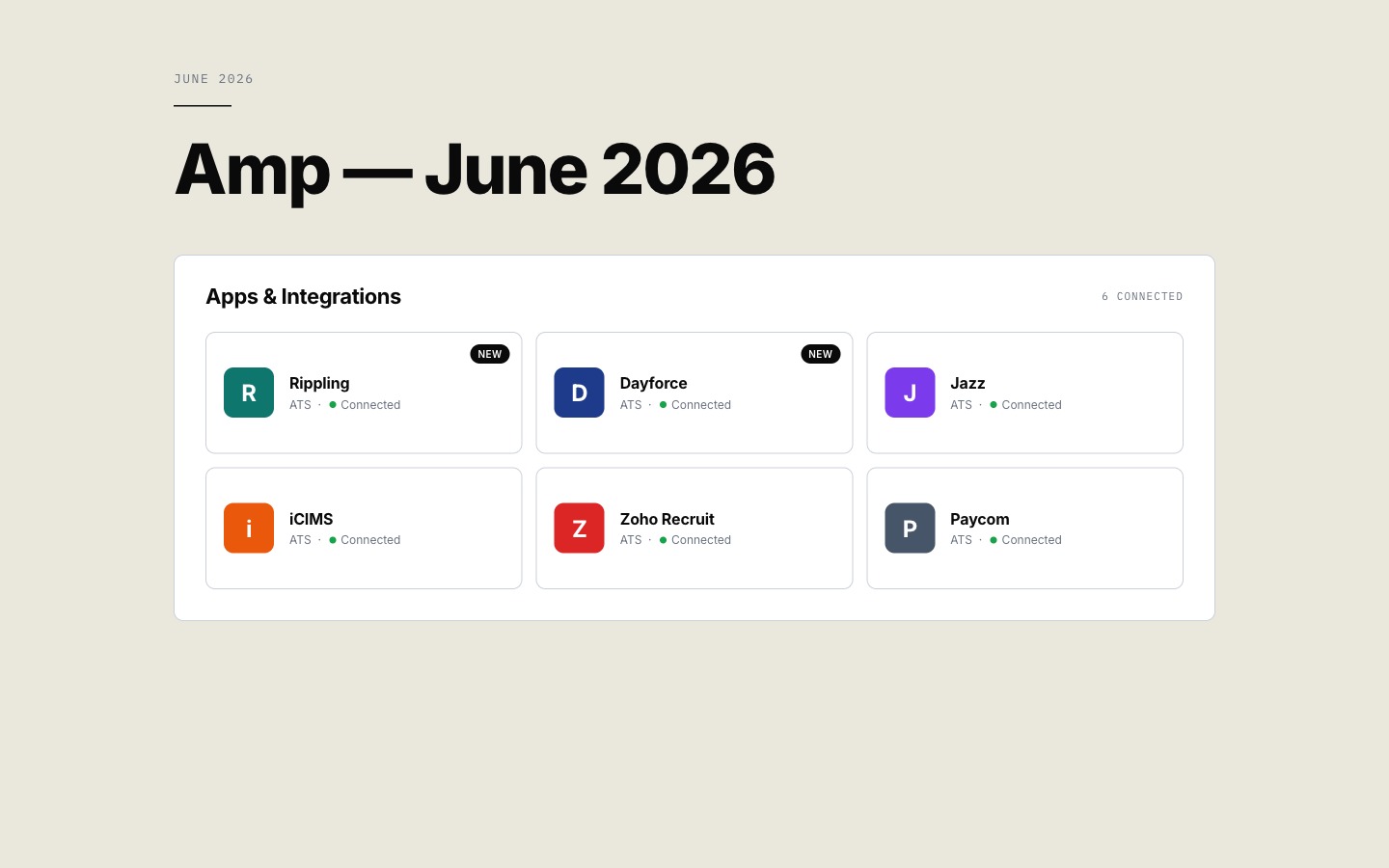
June was about making Amp trustworthy at scale: expanding the roster of hiring platforms Amp can operate inside, and laying the legal and operational groundwork for the privacy rights that regulators and candidates expect. Rippling and Dayforce joined a growing family of fully supported ATS integrations, and a privacy console put GDPR and CCPA compliance directly in customers' hands.
The headlines 06
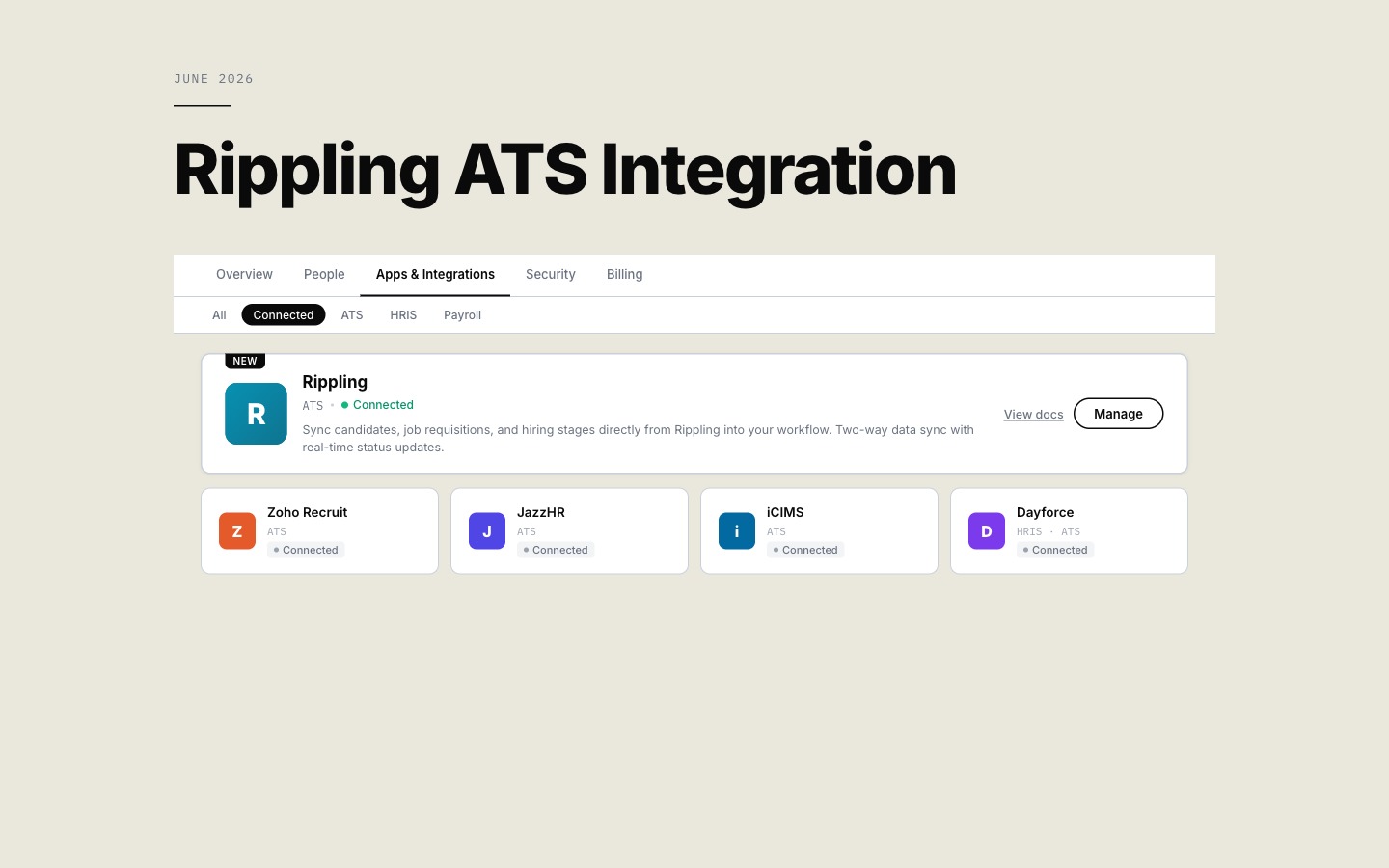
Rippling ATS integration
Amp now works inside Rippling, end to end.
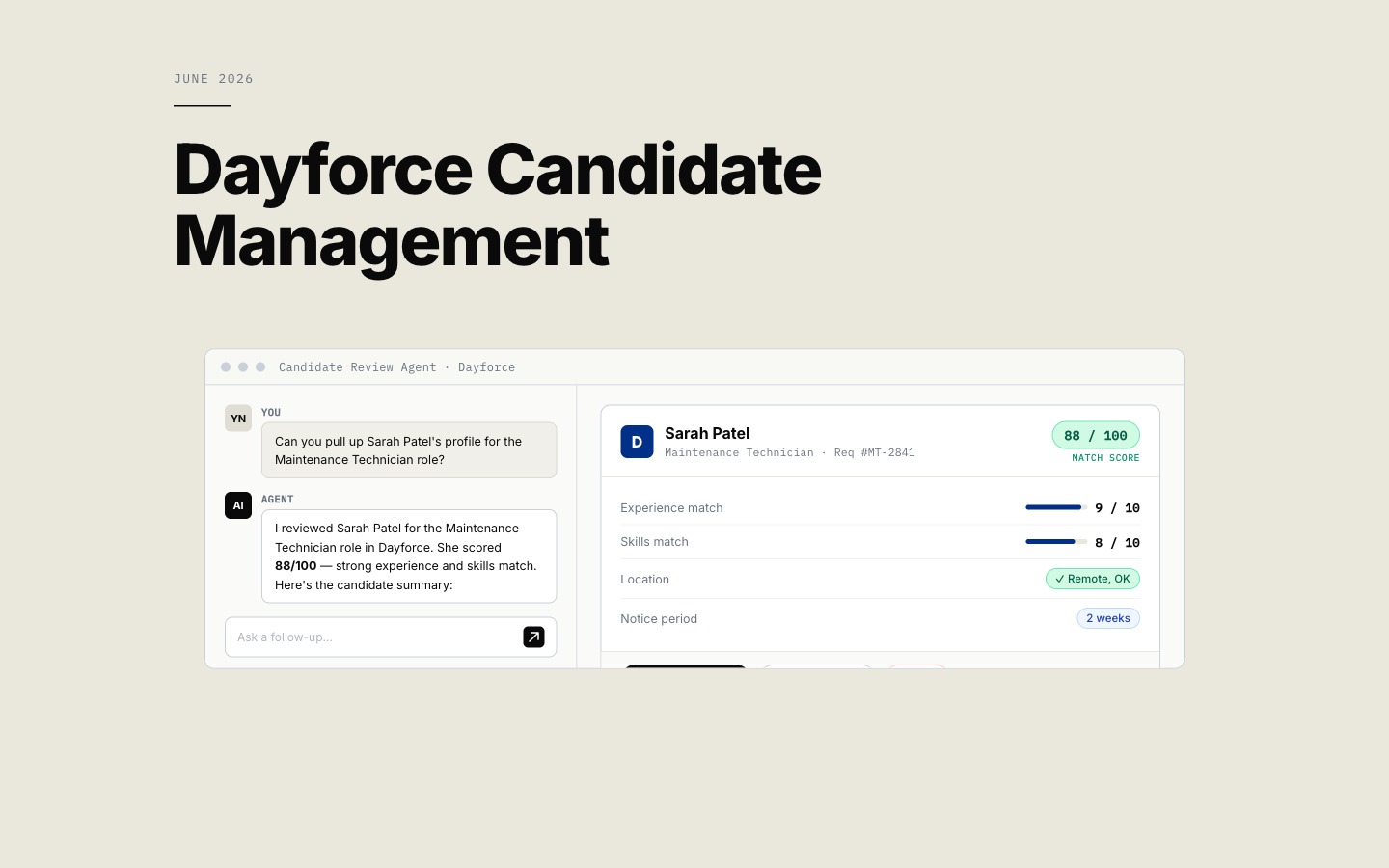
Dayforce candidate management
Full Dayforce hiring workflows, now in Amp.
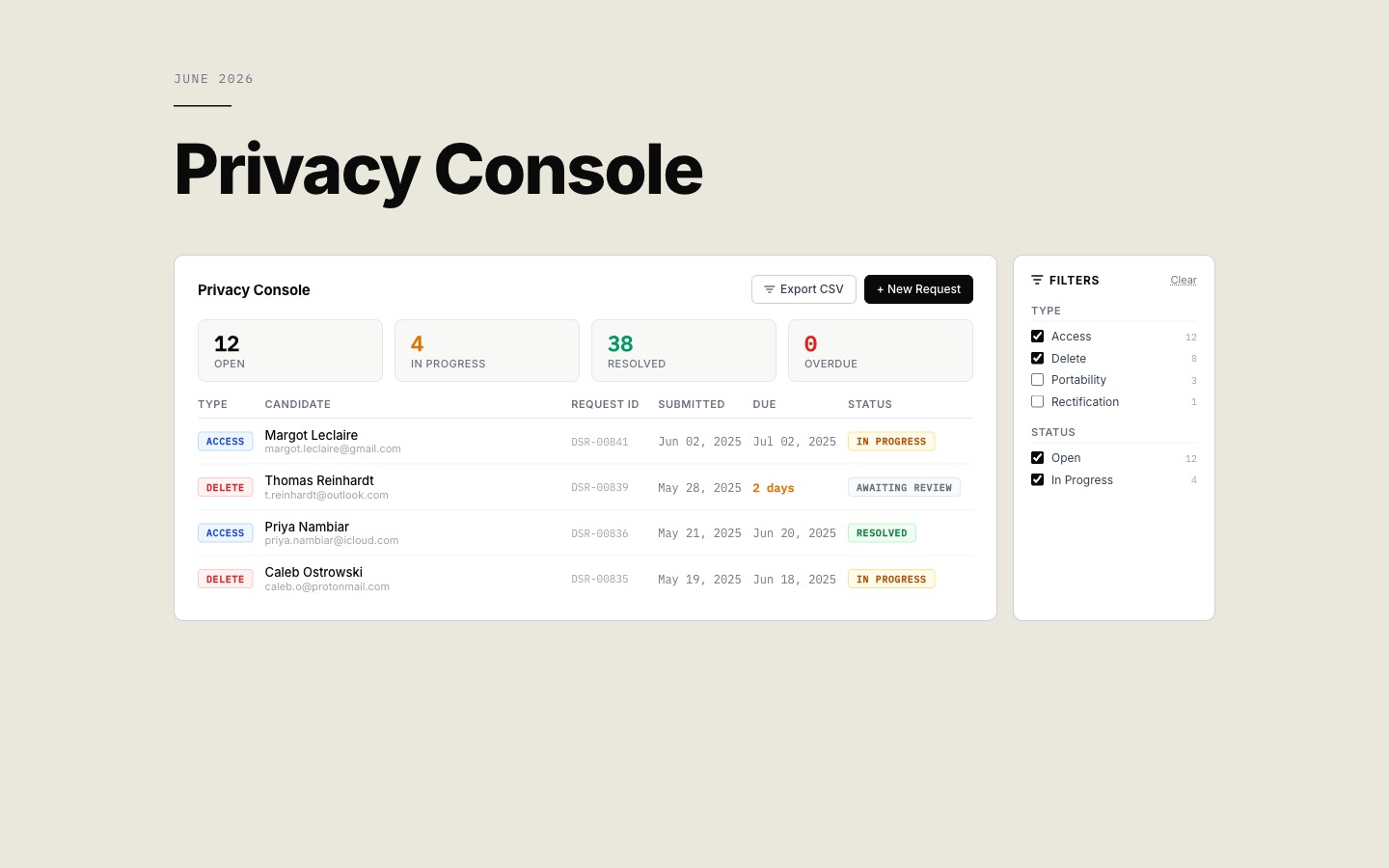
Privacy console
Handle every data request without calling Amp.
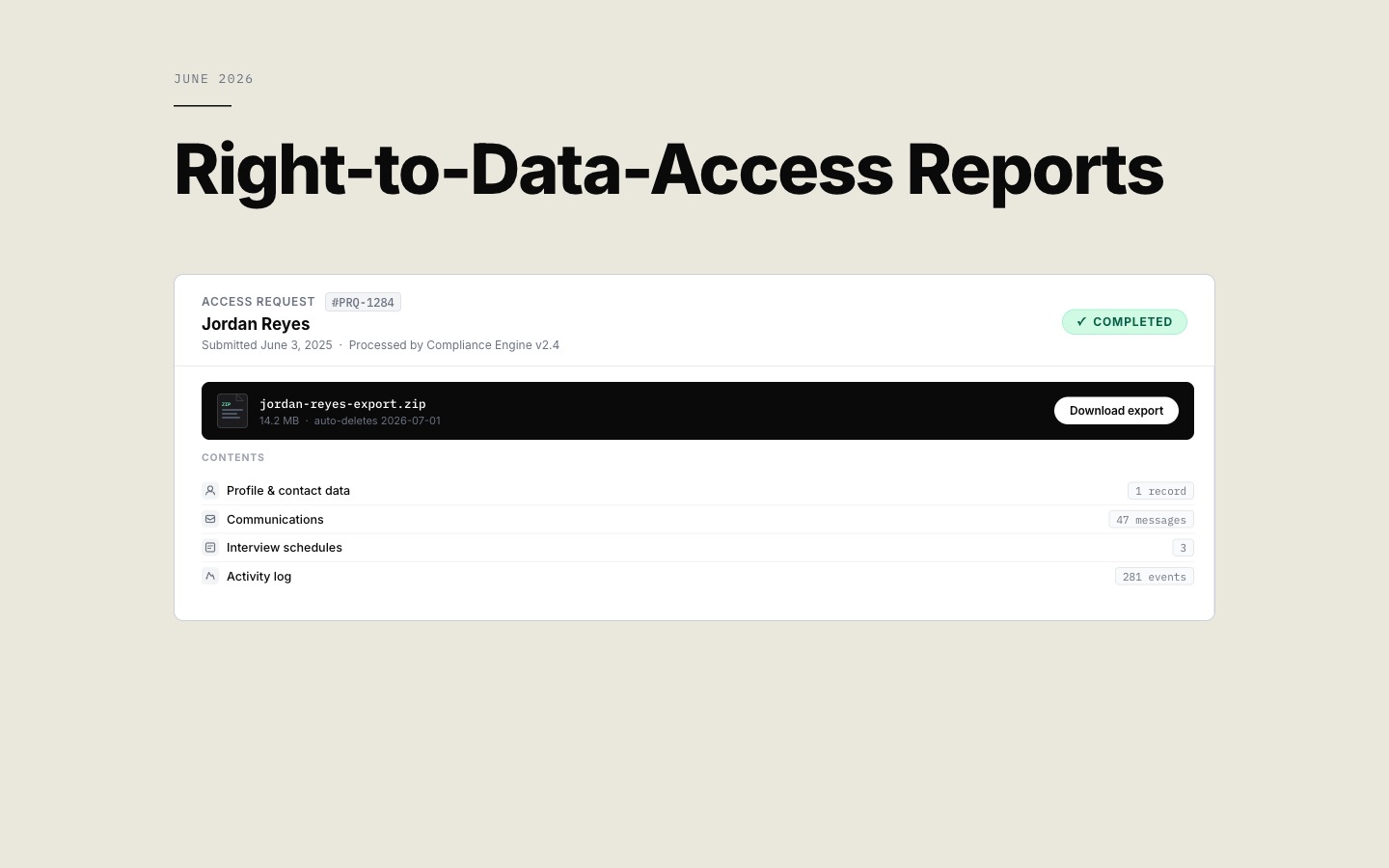
Right-to-data-access reports
Give candidates their data in 1 click.
Warm browser sessions
No more waiting for Amp to log in, again.
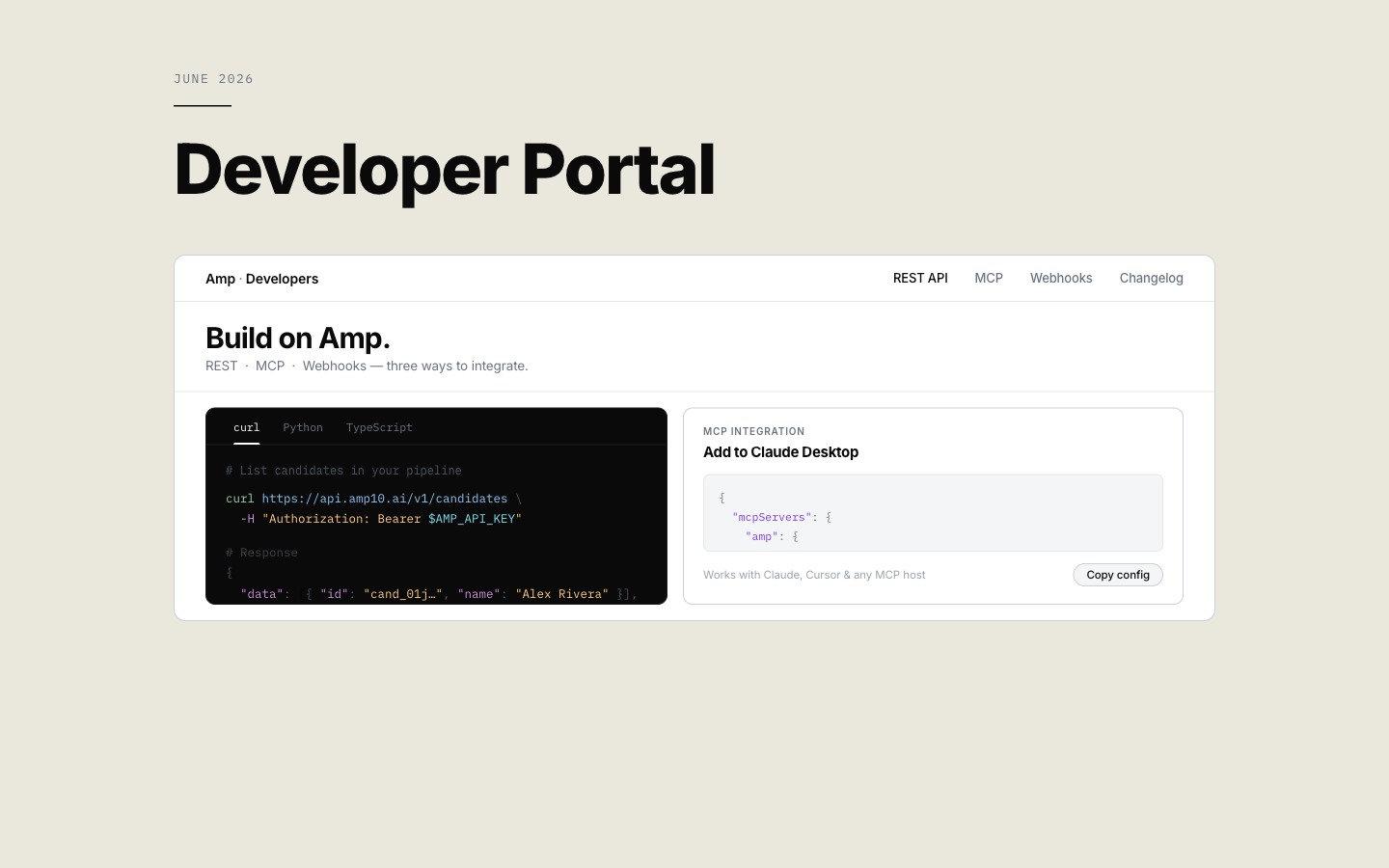
Developer portal
Build on Amp with a real developer home.
Notable improvements 05
iCIMS job discovery and deduplication
Every iCIMS job search now persists results into Amp's job catalog, so repeated searches skip jobs already seen, and discovered roles can be promoted to active recruitment without re-querying iCIMS.
Unified notification pipeline
Intervention alerts, daily digests, pipeline summaries, and candidate-scoring notifications all now flow through Amp's single messaging pipeline, for consistent delivery across Slack, Teams, and in-app surfaces with no duplicates.
Redesigned Help Center
The Help page has been rebuilt with a live-chat-first layout, knowledge base search, getting started guides, open support conversations, and system status. The floating chat bubble is gone; a persistent Live Chat item in the sidebar replaces it.
ATS auto-sync
A new background sync engine keeps candidate and job data current across Jazz, Zoho, iCIMS, Dayforce, and Paycom without manual refreshes. Operators can enable or disable sync per tenant and monitor sync history directly from the operator console.
Form-input interventions
Amp can now prompt for sensitive inputs, like OTP codes, directly inside the chat interface rather than taking over the browser, giving users a cleaner and more secure experience for multi-factor authentication steps during ATS workflows.